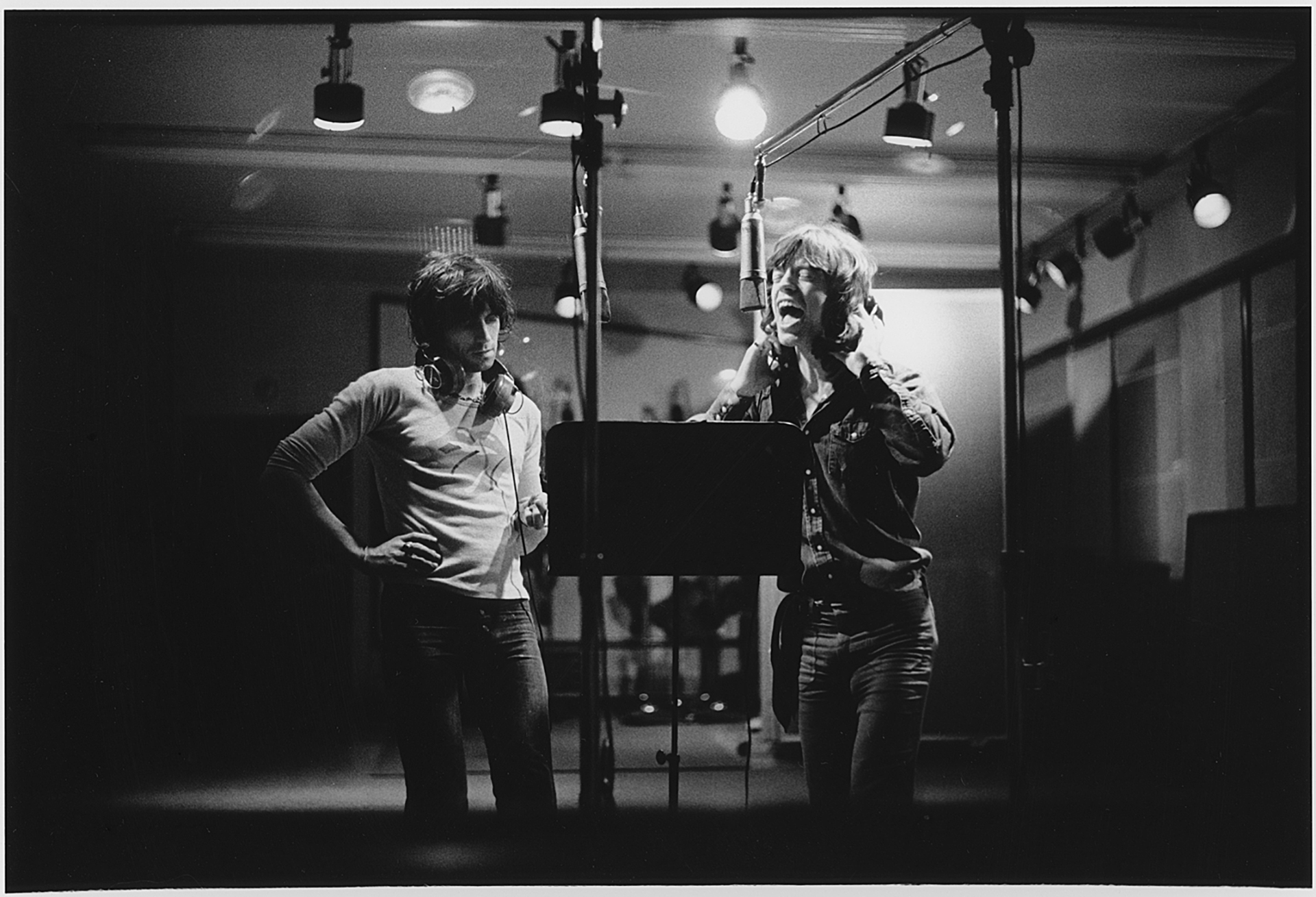
Note: This interview was originally published in TONEPhoto, in August of 2005, when Jim Marshall’s book Proof, had just been released in softcover. Besides the books mentioned in Ben Fong-Torres’ article on Marshall’s work with the Allman Brothers, a limited hardcover edition of Proof has been issued, including a signed print from Marshall. It was also featured in issue 22 of TONEAudio, all the way back in 2009. But Marshall was a legend in the world of rock that we should never forget…. (all photos, courtesy/permission of Jim Marshall)
At a recent Metallica concert, I was waiting with the other photographers in the pit when I overheard a few of them complaining about how their latest digital camera wasn’t “fast enough” for them to get the right pictures. I instantly thought of Jim Marshall.
With an incredibly basic setup – a Leica rangefinder and Tri-x film, he’s chronicled much of music’s history between the late 50’s and today, from Miles and Coltrane to John Mayer and Shelby Lynne, with some Stones and Beatles in-between.
I had been told by a number of people in the photographic community that “Marshall doesn’t do interviews.” I lucked out. When I spoke with his assistant Amelia, she informed me that he was lecturing in Seattle. Five minutes later, Jim Marshall was on the phone inviting me to dinner. “Can you get up here by 5? We can do the interview after dinner.” It was 2:15, and I would soon learn that Marshall and I had one thing in common; we liked to break the speed limit.
Walking through the restaurant door at 4:57, I met Marshall in the midst of signing his book Proof, which had just been released. The crowd had a few representatives from Leica, but they were mostly photography students who saw Marshall as much of a rock star as the subjects in his book.
As we sat for dinner, Marshall struck up a conversation with our waitress, who happened to be wearing a “Beatles at Candlestick Park” T-shirt. We asked why someone her age (she said she was 21) would be interested in the Fab Four. She said she had just watched the DVD of that last concert, in August of 1966, and that she “loved that picture of them walking off the stage.” Marshall calmly said, “I was there, I took that picture.” She and Marshall dove into a long conversation about the Beatles.
After dinner, we discussed his career over drinks. I found out that Marshall and I had something else in common: a love of good scotch. What followed was somewhat of a Hunter S. Thompson story. Looking back on this evening from today – it was one of my favorite moments. Marshall was a hero that was well worth meeting.
Did you start out in the music business, or did you photograph other things first?
Actually, I started shooting cars. I shot a lot of dirt track and oval racing in Southern California and followed the early hot rod scene. I sold a number of my first pictures to Hot Rod magazine. A few years ago AutoWeek featured some of my early photos of Dan Gurney, Phil Hill and Sterling Moss. Rodders Journal also did a story on “The Jim Marshall Years.” It was a lot of fun to see those images again.
How did you get into the music scene?
It evolved from hanging out in clubs with my camera. The first major artist I shot was John Coltrane.
What led you to Miles Davis?
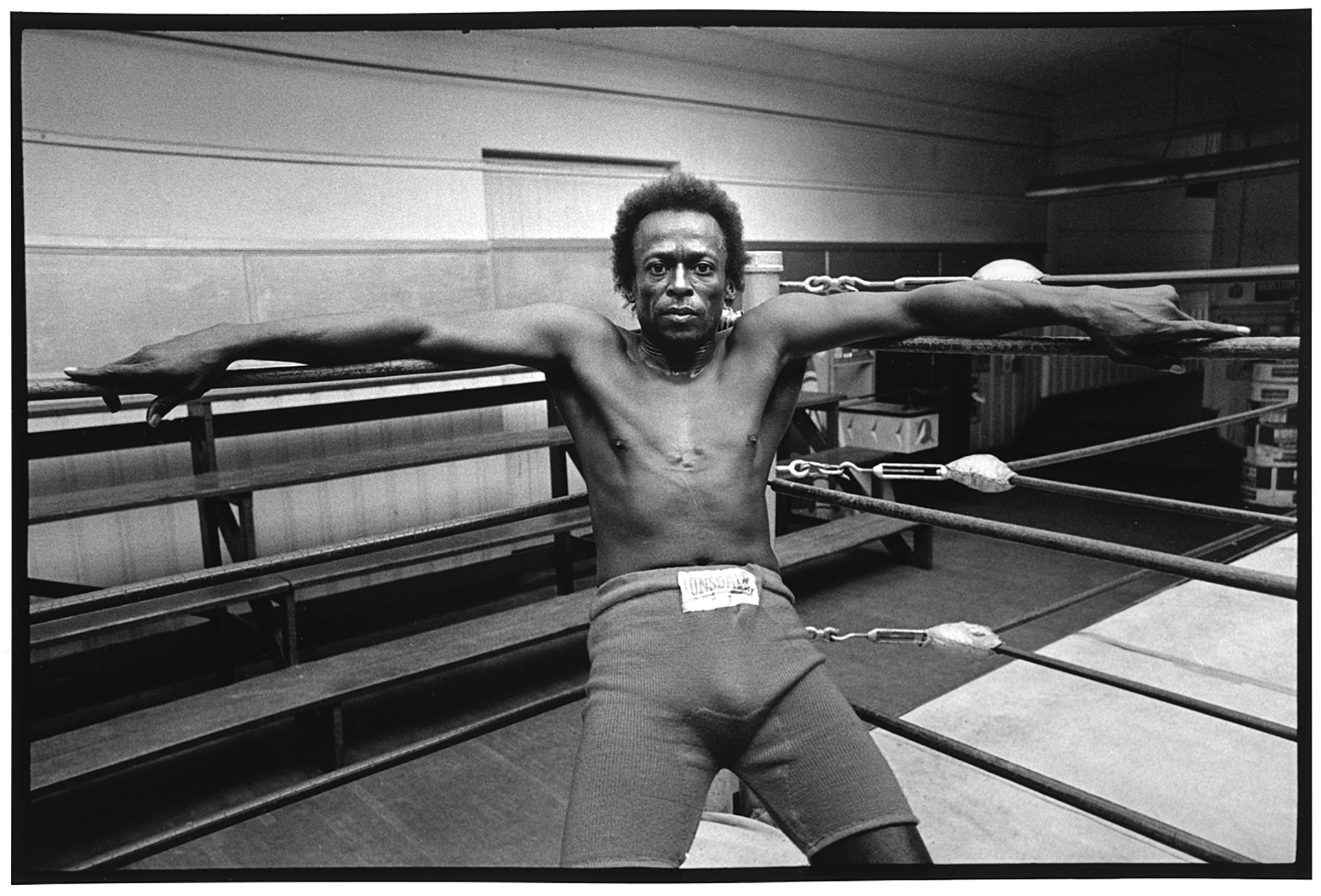
I shot Miles the first time in ’59 and it scared the hell out of me! I had shot a couple of his albums and hadn’t exchanged ten words with him, but I ran into him at Winterland in ’66 where I gave him a few color prints of Coltrane. He saw one he loved and called me back. He said, “How come you don’t take pictures of me like that?” I went for broke and said, “Because you won’t let me.” After that, I could do anything I wanted with Miles. He trusted me because he saw Coltrane trusted me.
That seems to be the case with all of your work.
I was a very lucky guy; I was able to gain their trust.
What about the pictures of Janis Joplin on her couch? Did the happy or the sad shot come first?
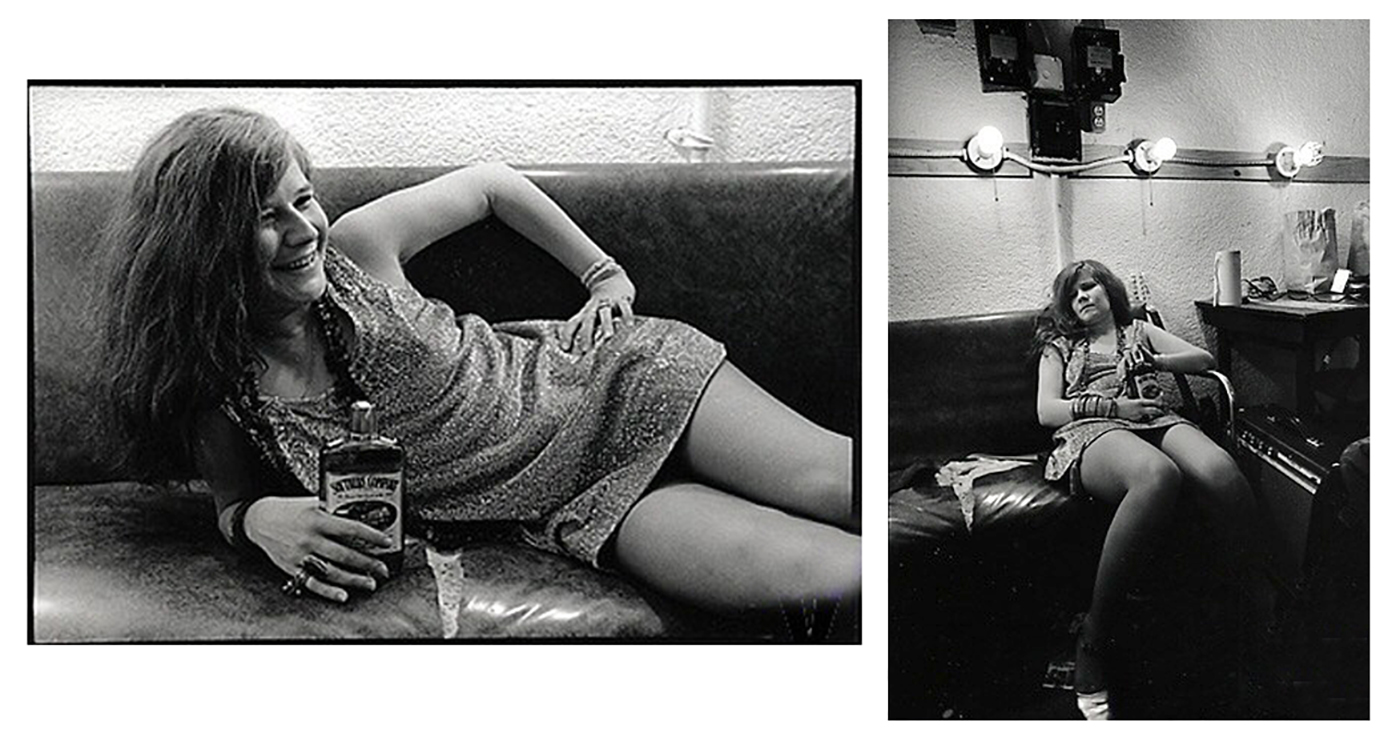
Those were done in ’68 about 15 minutes apart, but I forgot to number the rolls.
They were shot with the same camera and lens, but to this day I don’t remember which one was shot first.
At the end of the ‘60s and the beginning of the ‘70s you switched to the world of rock & roll. Were you at Woodstock?
Yeah, the big panorama shot of Woodstock, that’s mine. Had a 17mm Pentax lens adapted to a Nikon body.
When did you start using Leica cameras?
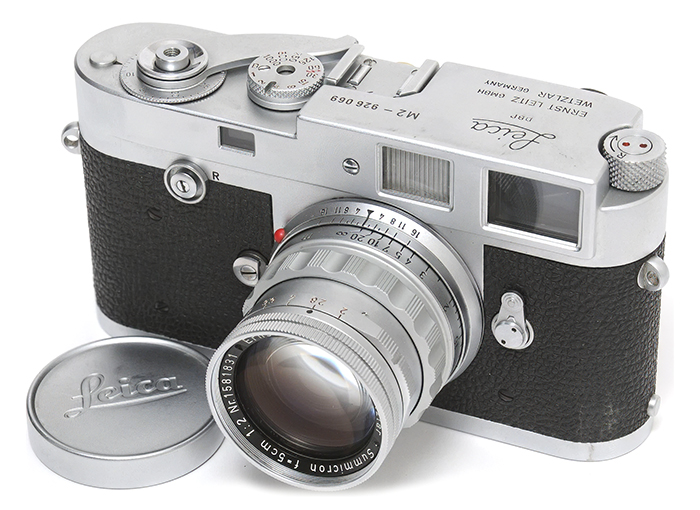
In 1959, I bought an M2. Financed it by putting $50 down and made 12 payments of $24 a month to pay it off.
Have you ever had an actual studio?
Nope, always borrowed a studio from someone, as I have been mostly an available light kind of guy. No flash, it is very interrupting to the situation and adds a jarring moment to the shoot.
Beatles or Stones?
Neither; The Allman Brothers, with Duane Allman. I loved Jimi Hendrix, the Beatles and the Stones, but the Allman Brothers were my all-time favorite band.
Your favorite concert?
Otis Redding, ’67 at the Monterrey Pop Festival. It was an amazing performance.
Least favorite concert?
I can tell you that one, Herbie Hancock and Wayne Shorter. That was the worst show I’ve ever seen, just a couple of years ago. Pretentious and boring. It was at the Berkeley Community Theater.
Who was the most difficult artist to work with?
(Laughing) A lot of them!
Did you know Hunter S. Thompson?
I sold him some coke, but I never took pictures of him. He was a great guy.
Do you shoot all film, or have you started to play with digital a bit?
No way, I shoot all film and use a modified Leica MP almost all of the time, with Tri-x. I never stick with the factory stuff, I always have it modified.
(Editor’s Update: Marshall has started experimenting with the digital version of his favorite Leica, the M8.)
So, you are one of those “human light meters,” then?
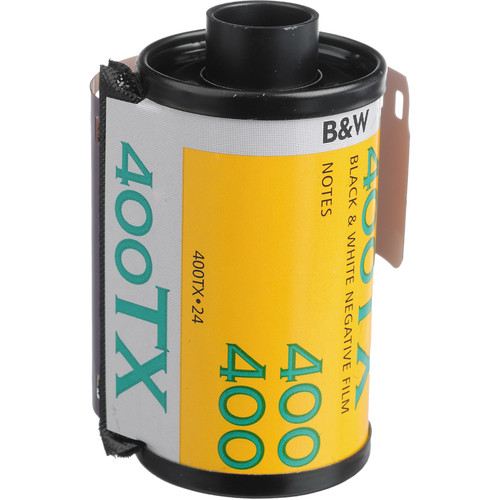
After all these years with Tri-x I can come pretty close, but I do carry a new Sekonic light meter with me most of the time. I’m not infallible. If you are taking pictures, trust your light meter; if you are on the open road, trust your radar detector. But those damn things aren’t worth crap in the city.
Do you do your own darkroom work?
No, I have been using the same guy, Jim Anesbach for the last 25 years. He does all of my film developing and printing. Contacts and work prints on RC paper, final prints on fiber base. I have no interest in learning Photoshop. More people are going digital, art directors want everything right now; it’s scary.
Do you produce any editioned prints?
Just my dye transfer prints; there’s no more material. One guy in San Francisco still has material, but he’s an asshole. I learned how to make dye transfer prints at Brooks, but I haven’t done it myself for years.
What is the highest fee you have ever received for one of your images?
$25K to Hewlett Packard, and Columbia paid me $50K for a couple of Johnny Cash images recently. And I pay ALL my taxes.
Who are you working with these days?
Billy Bob Thornton, Limp Biskit and Shelby Lynne. CD and promotional stuff.
She’s wonderful. Gave me complete access to everything. Capitol records contacted me and I have worked with her directly. The last time I saw her she was six years old.
Who do you like in the jazz world these days?
Oh, a few people, but after hanging out with Coltrane and Miles, the rest is pretty
pale in comparison. They don’t make them like that any more! Wynton Marsalis is great
but he’s not Miles….
What about rock?
John Mayer. He’s a nice kid. Just bought a bunch of prints from me. Gotta love that.
What’s your favorite non-photographic thing to do?
Watch TV. Cop shows. I love ‘em. I can tell you the plot and story line to every cop show ever on TV.
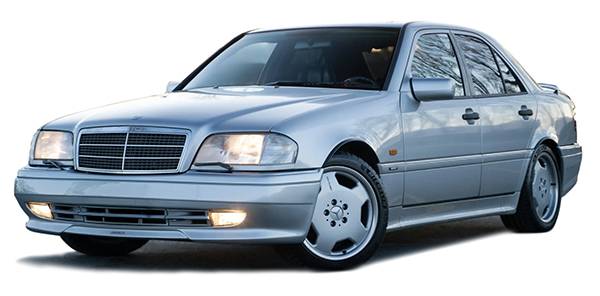
What do you drive?
A silver Mercedes C36 with black leather. Goes like hell. I can make the drive from San Francisco to Los Angeles (380 miles) in four hours. I leave at 5 a.m.; I’m in the city by nine. it’s faster than flying by the time you screw around with luggage.
The morning after our interview, Marshall spoke to the second year photo students at Seattle Community College. He gave a sobering speech, saying that photography was a difficult business, requiring a lot of persistence. He said that while some people just burst on the scene, he had to work very hard at it until he found his spot.
Reflecting on his career, he said, “Access and trust, that’s the key. The musicians are a lot more guarded now, so it’s tougher to get the access.”
His images all have that connection that is rarely present in today’s music photography. Thanks to the access that he enjoyed, many of the musicians he photographed became good friends as well as terrific subjects.