$10,499 each
soundorg.com (NA Distributor)
rega.co.uk (Factory)
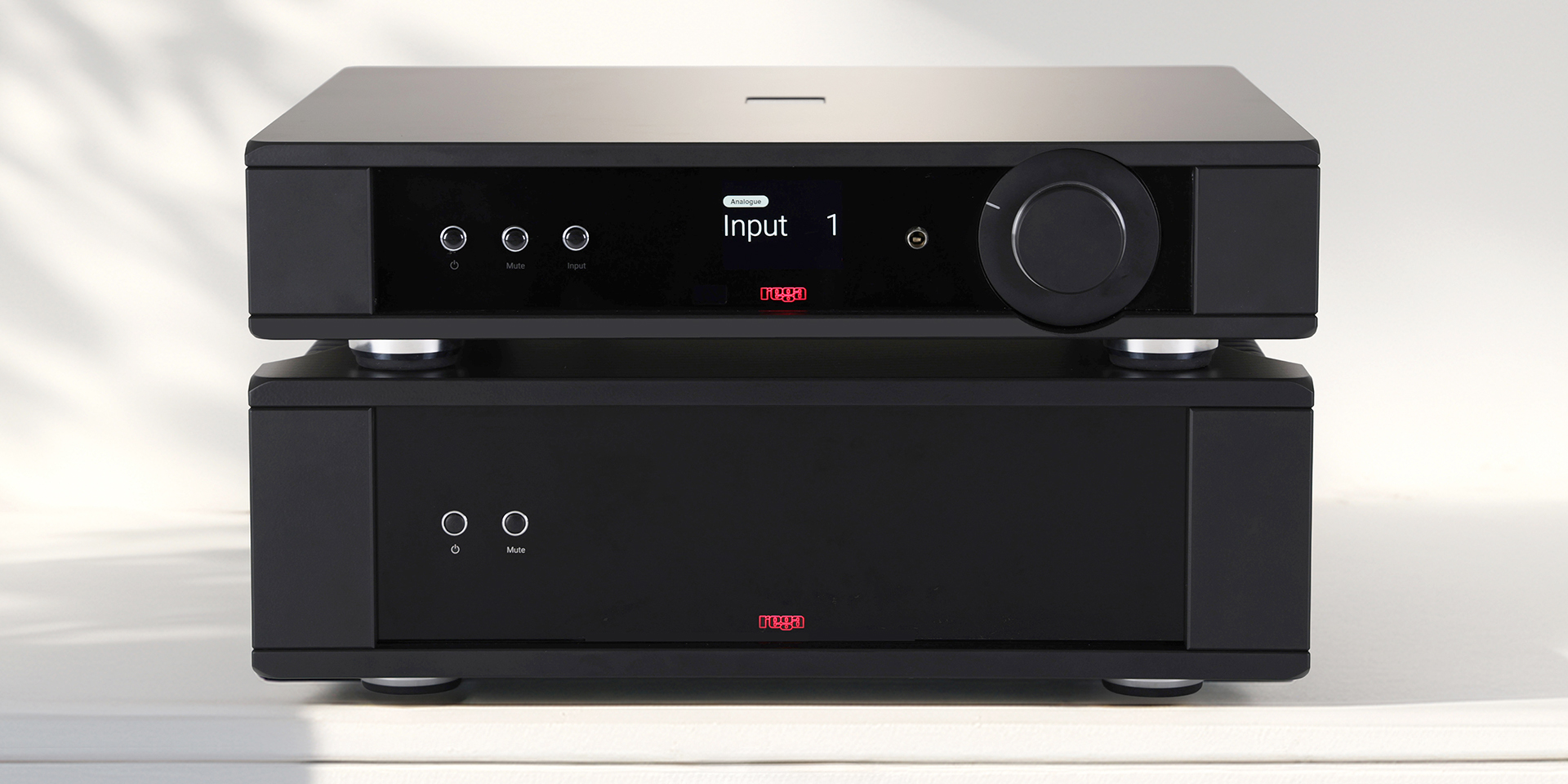
Listening to Crowded House’s Woodface album, which is chock full of dynamics, life, and a massive soundfield, through the Clarisys Auditorium Plus ribbons, the Rega Solis and Mercury are doing a fantastic driving these speakers to more than realistic levels. While the Mercury has its own built-in DAC (more about that later) for now, we’re using the six box dCS Varese stack for a source.
The word that instantly comes to mind is natural. It keeps coming up, and while these two components are hear, that is what everyone that hears them for the first time remarks. If you’ve heard any of Rega’s other electronics, you know what I mean. They do the job required, never calling attention to themselves. Yet, good as past Rega components have been, there was always a limit to just how much musical information they could resolve when put head-to-head with the world’s finest. That ends with the Solis and Mercury.
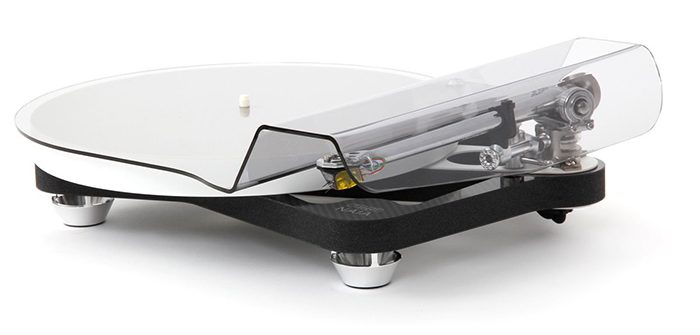 I’m sticking my neck out and guessing that most of you probably think about Rega as a turntable manufacturer, or at least that’s what you know them best for. However, for decades they have been quietly making electronics that routinely are on many reviewer’s best of lists. Never known for trendiness, Rega always delivers components that exceed the performance of what you’d expect at their price points, reflecting the value-oriented ethos surrounding the entire company.
Knowing that Rega always delivers maximum value and performance, yet chooses for the most part to stay in a modestly priced groove – the idea that they were making a “cost no object” amplifier and preamplifier was intriguing. They’d hinted at this a while back with their top CD player, and the current Naia turntable is a class leader, so anything is possible.
Let’s get right to it. The Solis and Mercury belong at the head of the class. With so many components costing $25k to over six figures today, the only thing that keeps these components from being bragged about all over the world is Rega’s reputation for offering true value. If these had power meters looking like expensive Swiss watches on the front, you’d pay $60k each for these, and be happy that you did.
Yet, if you are a true qualityphile, valuing sheer sonic performance, build quality, and lifelong value, you can save about $100k snagging the Rega pair and buying a nice used Aston Martin with the change. I know what I’d rather do.
A Different take on value
The Solis is hands down, the best value in solid-state power amplifiers for $30k-ish going. But remember, it’s $10,500. Sonically, you’d swear you were listening to a Boulder in the way the Solis does not embellish or sonically alter the tonal range. As someone who prefers the slight warmth of a Class A amplifier, (not that that’s for everyone) these two components from Rega are equally engaging.
Rega saves you a ton of money by adhering to economies of scale, perhaps better than any other manufacturer in the business. Ever unboxed a Rega turntable, with that red, semi-transparent tape? Yeah, Rega bought miles of that stuff when they started the company, and they are still using it! But seriously, if you look at the entire Rega product line, you’ll see that components are similarly sized, and many use the same casework. Which means the same boxes, the same remotes, etc. etc. It all adds up.
Rega also builds damn near everything in house. They’ve had a lot of the same employees for decades. Precious little employee turnover means happy employees that don’t screw things up. When was the last time you heard of a Rega product failing? I know Rega is a British company, but their products are like Hondas in the sense that they are engineered and built with extreme care and execution to last a lifetime. Quietly, without fanfare. There is something so lovely about that concept.
Unbox and setup
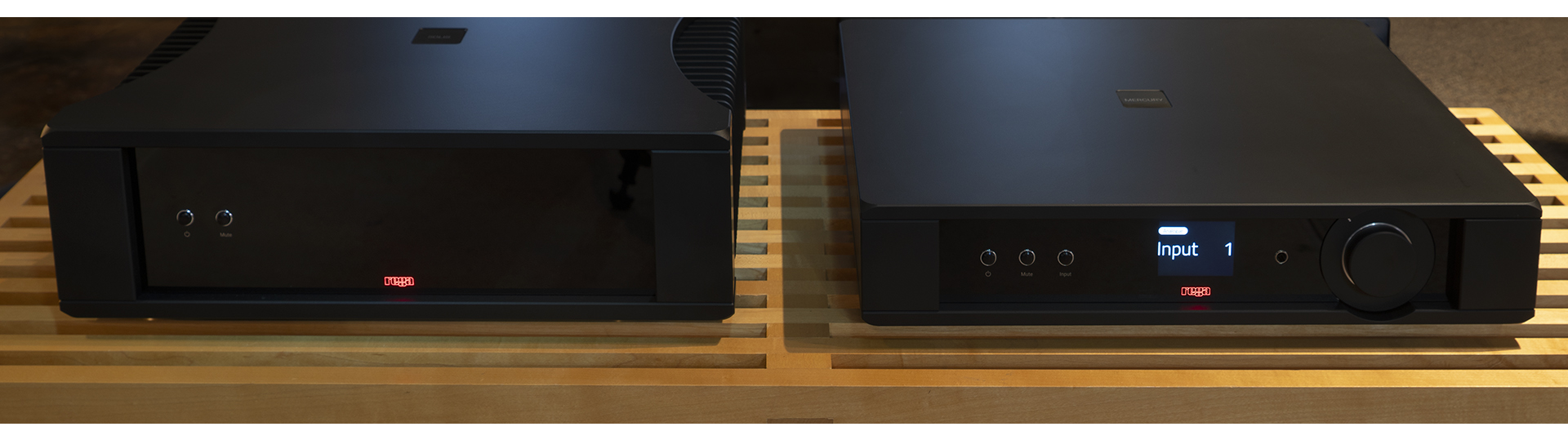
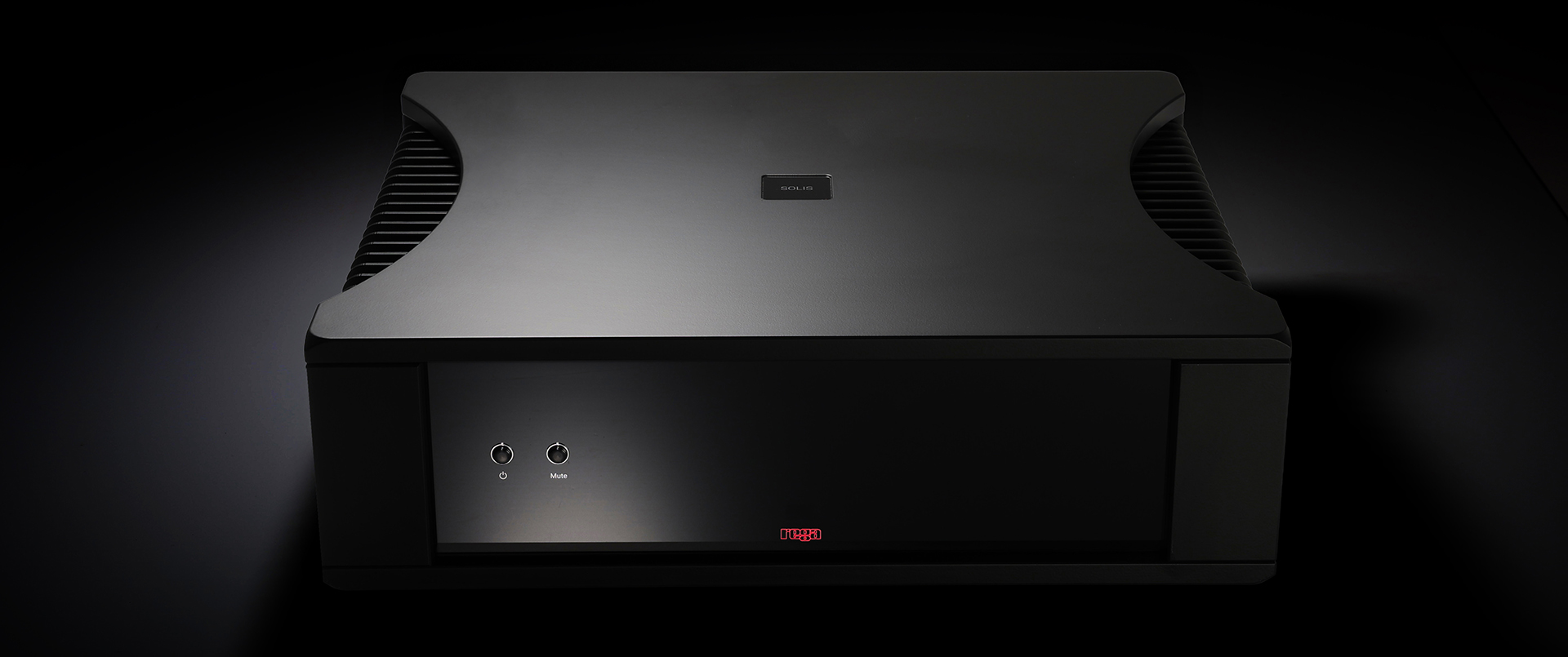
Oddly both components feel heavier than their 31 and 55 pound claimed weights. The casework is elegantly executed, and everything feels luxurious to the touch. Again, something you might not associate with Rega, but they belong here.
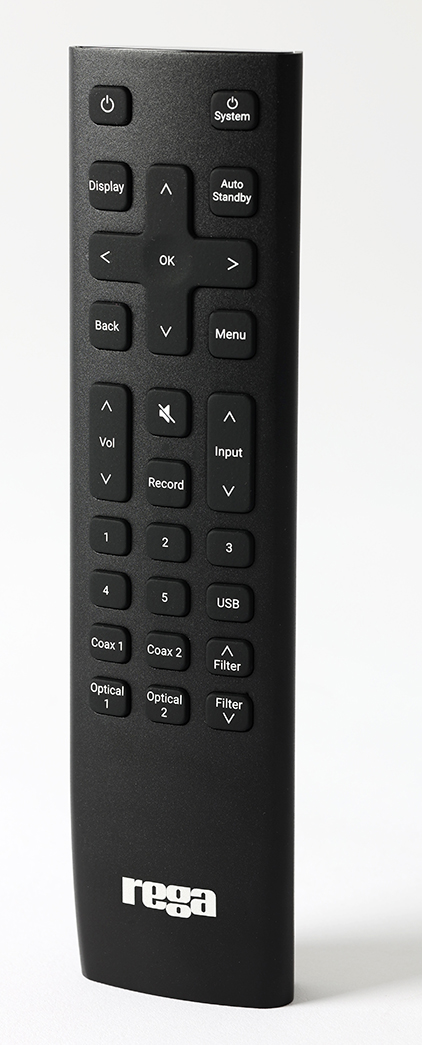
That Rega encloses a premium pair of RCA interconnects to go between the Solis and Mercury, along with each having premium power cords is another kindness that brings even more value to the table. Most $30-$50k preamplifiers come with a throw away power cord, requiring you to shell out at least another thousand or two on wire. As the Beatles were fond of saying, “It’s getting better all the time.” Using the Rega pair on a dedicated 20 amp circuit, through the Auditoriums, I noticed a nice update going from what Rega supplies and the $10 power cord that everyone else offers. Much of a Cardas fan as I am, I could not discern any further improvement going from the supplied Rega power cords to a pair of more expensive Clear power cords. (which is what I use in the rest of my system). It’s also worth mentioning that the Rega remote is equally understated and tasteful. As a long term fan of the brand, I notice that they have raised the bar for the packaging that these two arrive in. Subtly better. Again, just Rega.
Circuits and such
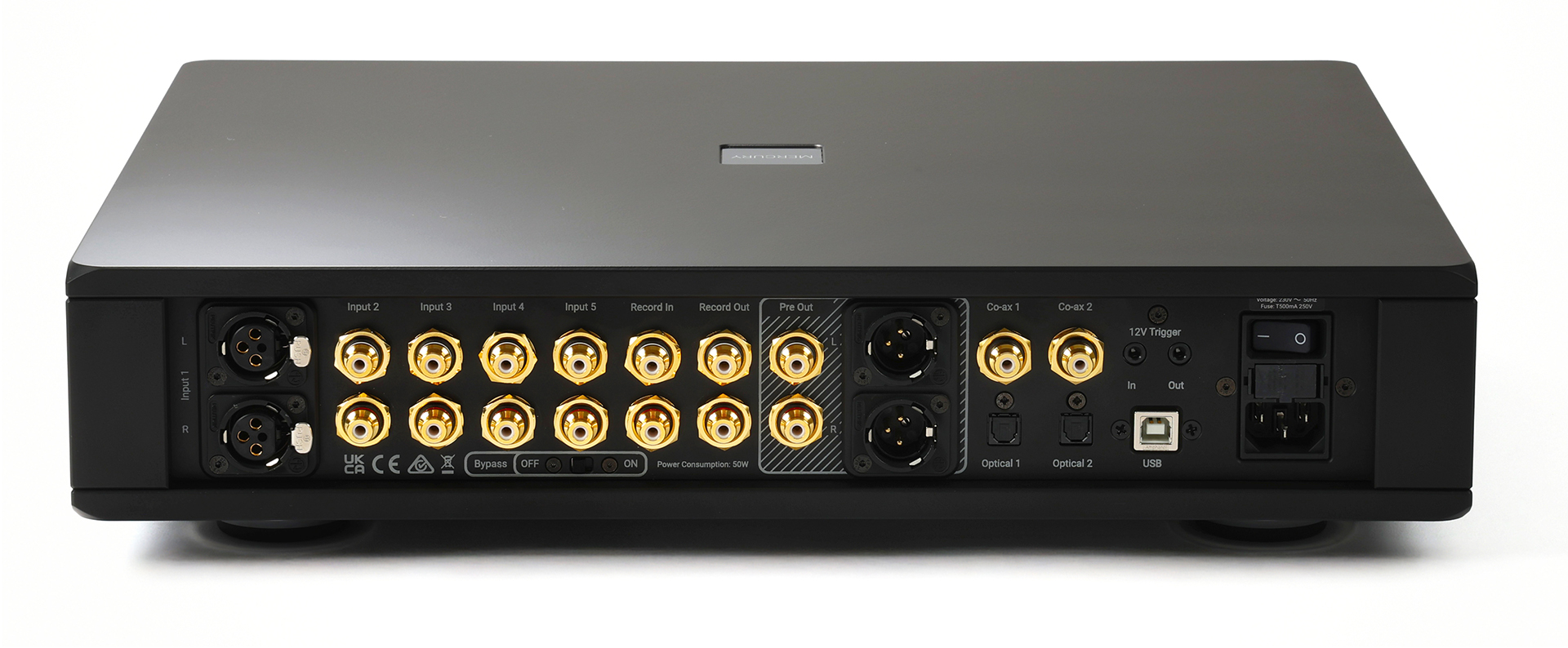
Around back of the Mercury is a set of balanced XLR inputs, four more RCA inputs, and a set of tape in and tape out jacks. There are balanced XLR and RCA outputs. The built in DAC offers two coaxial inputs, two optical/toslink SPDIF inputs and a galvanically isolated asynchronous USB input. Personally, and selfishly, I like the tape loop, but most of you will never need it. The Mercury amplifier is stark, with a single pair of RCA inputs, a pair of XLRs. I love it that they rate the amplifier at 168 watts per channel into 8 ohms and 304 into 4. No rounding up. That wouldn’t be Rega.
Rega makes note that the circuitry of the Mercury pre is single ended (unbalanced) throughout, with “additional circuitry” used to achieve the balanced ins and outs. They suggest using both the amp and pre in unbalanced mode for the absolute best sonics, and while this was easier to discern when using the Clarisys speakers, when swapping in the Harbeth Monitor 40.5s not as much. This may be a more moot point than Rega will even admit to.
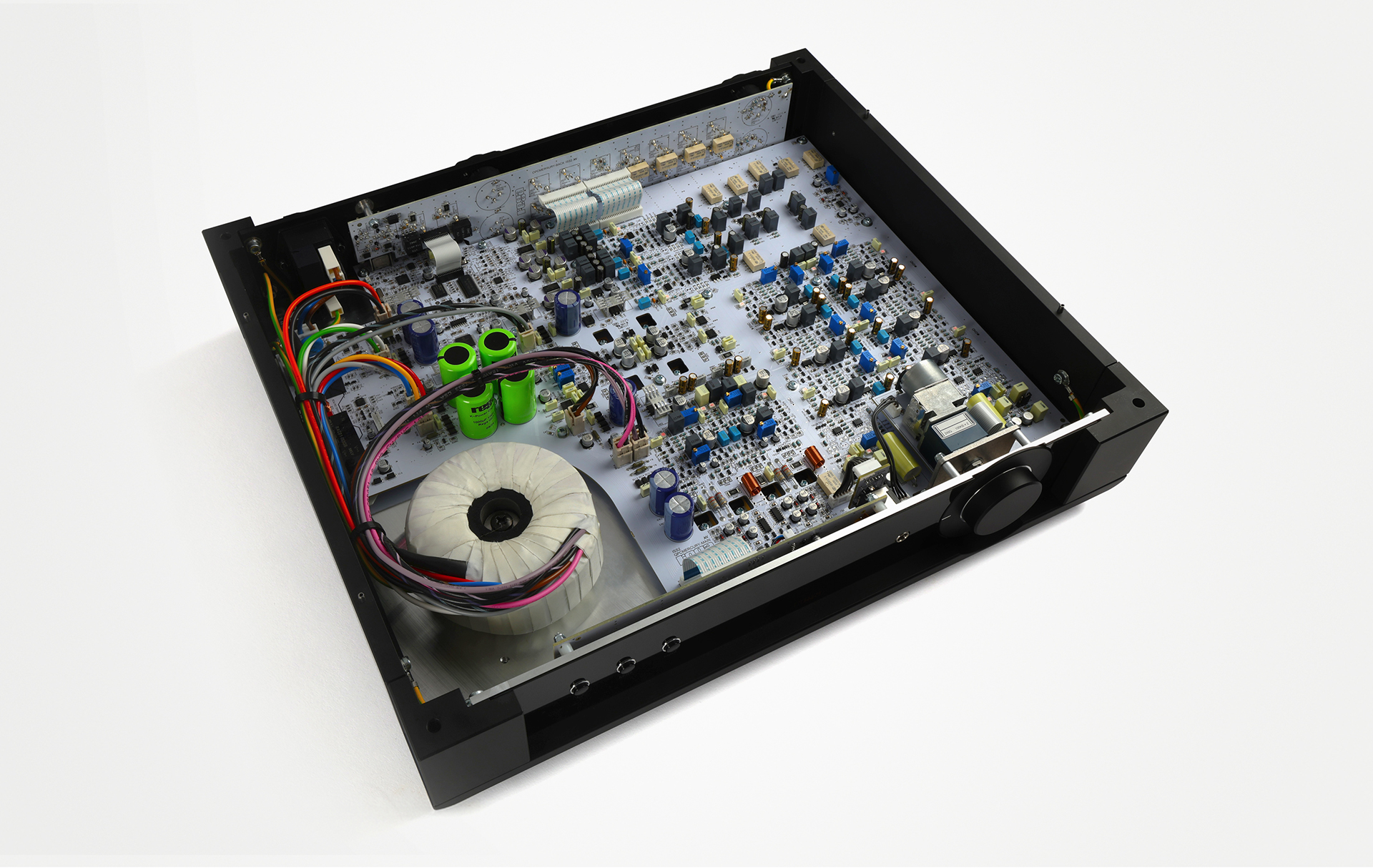
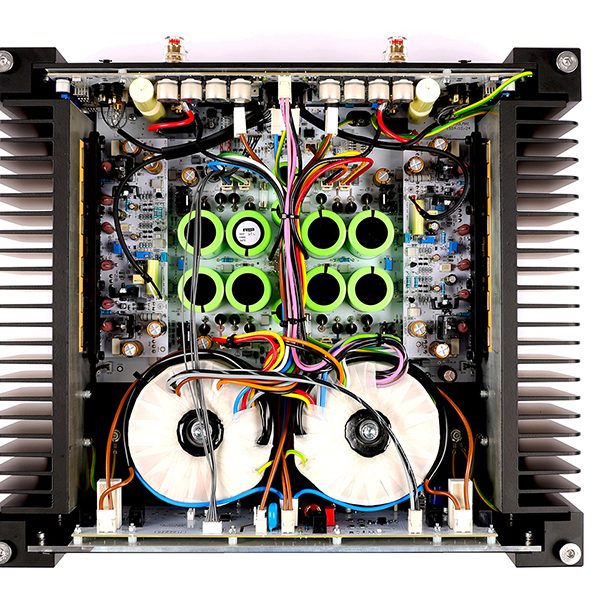
The Solis amplifier is robust, with a huge power supply and six Sanken 130 watt, 15A power transistors are used in the output stage. Separate 330VA toroidal transformers provide a discrete mono power supply. The supplied image of the inside reveals just how beefy the power supply in the Solis is. I wouldn’t even know where to begin to take this one apart!
Rega has built on everything else they have learned to this point, mentioning that four years worth of R&D went into this pair. In every aspect, it shows. Rather than repeat or paraphrase, just click here to go to their website.
More listening
Even if you don’t pair the Solis with a Mercury preamplifier (but you should really consider doing so) rest assured it plays well with others. Giving it a go with Pass, Parasound, PrimaLuna, conrad-johnson and a few others, reveal it to be as equally quiet and composed as it is with the Mercury – with balanced and RCA inputs.
The Solis makes no missteps whatsoever, regardless of the program material you choose. Classical lovers will appreciate its ability to re-create huge dynamic swings. Tracking through some Mahler and Shostakovich is a breeze, with zero clipping on the biggest crescendos. My favorite bob selections from the Blue Note era are served up with equal flare. This amplifier’s ability to accelerate on musical transients instantly, and stop with equal dexterity makes dynamic music engaging and lifelike.
An incredibly low noise floor further contributes to the dynamic impact of both components, adding even more to the presentation of acoustic and vocal selections. All the audiophile clichés apply. There’s a wealth of low-level information, and spatial cues rendered in a way that only the world’s finest components can provide, and this is what catapults the Rega pair from “good for the money” to “really good.”
Add spot on tonality, and nearly un-measurable distortion that is fatigue free, even after day long listening sessions and it all adds up to top class performance. Pianos and violins sound realistic and lifelike, both from a tonal representation and from the natural acoustic range these instruments deliver. I always go back to Liz Story’s solo piano on her Windham Hill debut – Solid Colors, because it’s so well recorded to 30i.p.s. tape. The Rega pair delivers the scale of her Steinway, while allowing for all the breath and decay. Beautiful.
The incredible layered vocals of the Bee Gees’ “How Can You Mend a Broken Heart?” are delivered with a high degree of delicacy and separation, yet the crunchy guitars in Dave Grohl’s (Dee Gees) version of “Tragedy” punches through the harmonies with ease.
We could go on with this bit or that bit from particular tracks but suffice to say these components are excellent across the spectrum.
On board digital
Never being trendy in any aspect of circuit design, Rega sticks with tested and true legacy Wolfson chips for the bits, with careful attention paid to everything else. Refinement always, and this allows 16/44 up to 32/192 file decoding and DSD 64 capability. We can argue forever about approach, but this works, and works in a very musical way.
Using a Mac Book Pro, the HiFi Rose 161 Streamer, a Metronome CD transport, and a very old SONY ES player (to test the optical input) all work well. Regardless of whether you are streaming or playing physical media, the Rega delivers a digital aesthetic identical to their excellent lineup of CD players. A touch warm, and very un-digital sounding. A perfect match to the sonics of the amp and pre. As mentioned earlier in the review, the internal DAC of the Mercury easily compares to a stand alone unit that might cost you as much as $5k. Plus, no need for another mains cord or pair of interconnects. The only surprise here is that with Rega always being such an analog first company that they would include a DAC instead of a phono stage in the box! Hmmmm.
Is there more
In the context of nearly a million-dollar reference system, there is more musical information to be extracted than the Solis and Mercury can deliver, but it’s gonna cost you. However, for someone assembling a $50k-$200k system, it’s going to be really tough to get more sonic performance for the money. Again, if you crave the warmth of Class A or tubes, that’s a different movie.
Going back and forth repeatedly between the $25k ampsandsound preamplifier, the $55k Pass Labs XS Pre 2, and the $38k XS Pre (earlier model and my reference for the last 8 years) the delta is in the minute details. The ampsandsound delivers more warmth and bloom, thanks to the vacuum tubes, and the Pass preamplifiers both have a bit more weight to the presentation, and more overall depth.
To be fair, the Mercury still delivers about 88-90% of what these considerably more expensive preamplifiers deliver and the value proposition is extreme, especially considering the other three do not have an internal DAC, though the ampsandsound pre does have a wonderful on board phono stage.
But that’s the unfair thing the other guys do. It’s not a fair comparison, merely what is here and on hand. By comparison, I can’t think of anything at the Mercury’s price point that delivers anywhere near this level of performance that’s been in the studio here in the last 10-12 years.
That said, provided you like the idea of having core amplification that comes across as extremely natural, lifelike, and neutral tonally – you will need to pony up a lot more than the cost of the Solis and Mercury. Or perhaps you have power hungry speakers that 168 watts per channel isn’t enough. There aren’t that many of those out there anymore though. Using the Mercury with speakers from YG, Harbeth, Clarisys, Pylon and a few vintage ESLs, they always delivere the sheer power to satisfy.
The Mercury is more than worth the asking price even if you forget the DAC, and it’s good enough that you can use it with a much more exotic outboard DAC if your music tastes are primarily delivered digitally. Perhaps Rega will introduce a version of the Mercury sans DAC.
If you happen to be a music lover that listens to analog as a primary source, (with a subsequently much higher investment in your analog front end) but still loves to play digital music when convenient, the Mercury is an even more monstrous value. The onboard DAC is easily the equal of anything I’ve heard in the $3-5k range. The results obtained with a HiFi Rose 161 streamer was fantastic.
To put this in further perspective, I’d pair the Rega amp and pre with any $100k pair of speakers going, $50-$100k DAC, and/or $50-100k analog front end and not feel cheated in the slightest. If you picked up a couple of slightly used pieces, you could assemble a system for $50k – $100k that would take no prisoners with the Mercury and Solis as the foundation.
And that is why the Rega Solis and Mercury are our choice for Product of the Year-OVERALL. Every aspect of these two components is outstanding. -Jeff Dorgay